


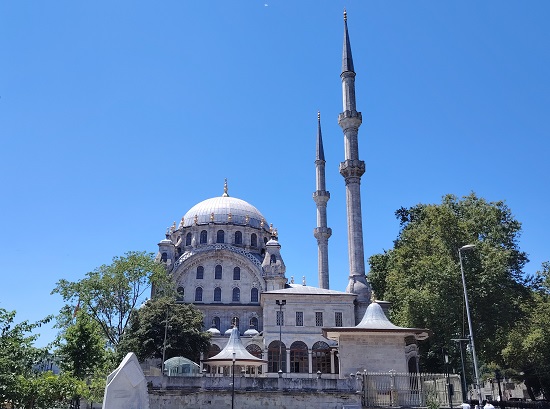
OTTOMAN IMPERIAL MOSQUES
Ottoman sultans and members of the dynasty commissioned numerous historic monuments, often in the form of külliye, vast complexes centred around a mosque and surrounded by various structures serving charitable and social purposes. These included madrasas (religious schools), kitchens and other buildings designed to provide services to the poor.
The largest külliyes date back to the 16th and 17th centuries, although mosques constructed during the 18th and 19th centuries are also of great historical importance. In the 15th century, following his conquest of Constantinople, Fatih Sultan Mehmed commissioned the construction of two grand mosques. Unfortunately, both of these original structures were later destroyed by earthquakes or fires and had to be rebuilt.
Mimar Sinan, the chief imperial architect for the Ottoman Empire for over 50 years, designed and oversaw the construction of many of Istanbul’s most iconic complexes. His architectural vision set the standard for subsequent architects of külliyes throughout the empire.
While Istanbul is home to some of the most famous Ottoman imperial mosques, many others can be found in cities across Turkey. Bursa, the first proper capital of the Ottoman Empire, is home to several historically significant religious structures. You will find other notable imperial mosques in Edirne, Konya, Amasya, Manisa and even in Damascus.
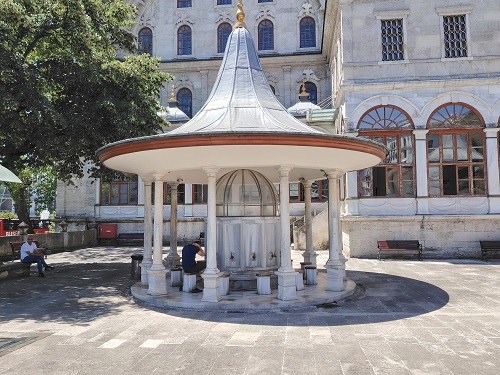
NUSRETIYE MOSQUE
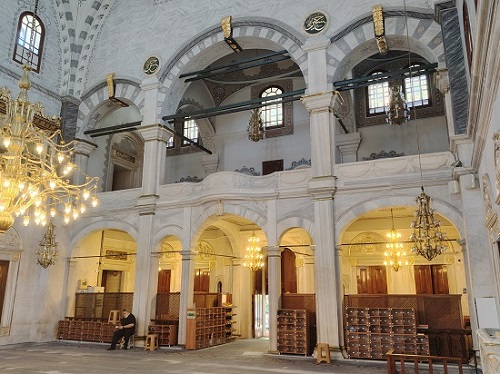
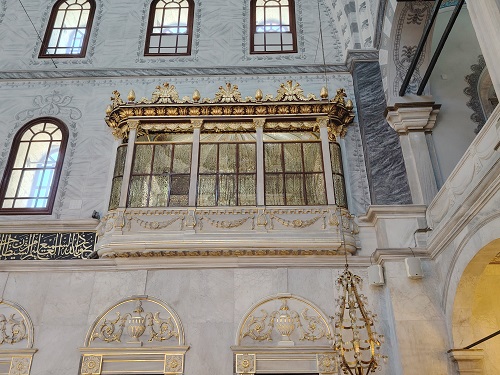
Commissioned by Mahmud II, the Nusretiye Mosque was completed in 1826 to commemorate his decisive victory over the Janissaries, whose corps he abolished that same year. Located in Tophane, it was one of the last great mosques built in the Ottoman Baroque style.
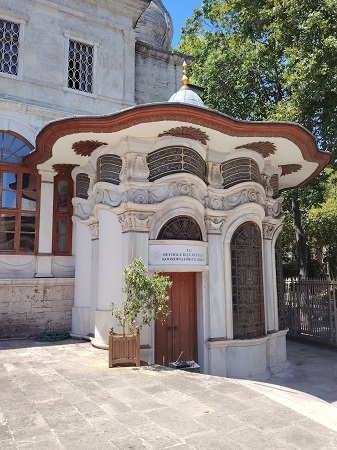
The mosque stands as a political statement. Its very name, “Nusretiye” (Victory), immortalizes Mahmud II’s success in consolidating power and modernizing the empire.
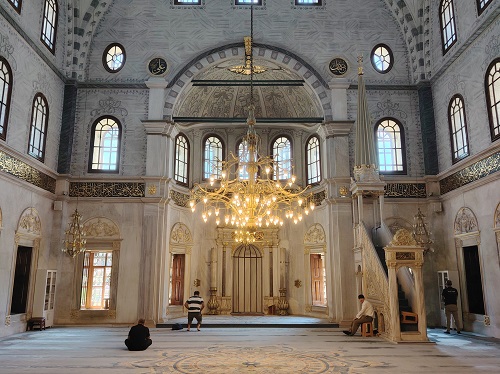
In this way, imperial mosques continued to function as both architectural and ideological instruments of the state.
What happened to the Janissaries, the Sultan’s elite infantry corps since their formation in 1363?
By the early 16th century, the Janissaries had became aware of their immense power and influence. No longer just soldiers, they started to dominate the government itself, shaping imperial policy and politics from within.
Their greatest flow, however, was their fierce resistance to change. Determined to preserve their privileges, they opposed every attempt to modernise the army. At their height, they could even unseat or murder sultans through palace coups, as tragically happened to Selim II.
By the reign of Sultan Mahmud II in the early 19th century, the ones fearsome Janissaries had become a shadow of their former selves. Outmatched by the modern armies of Western Europe and draining the empire’s finances, they became a major obstacle to reform.
When Mahmud II announced his plan to create a new, modern military force, the Janissaries rebelled. The Sultan responded with ruthless determination. He ordered their barracks bombarded, crushing the uprising and wiping out much of the corps.
Additionally, he either executed or exiled the survivors and seized their wealth.
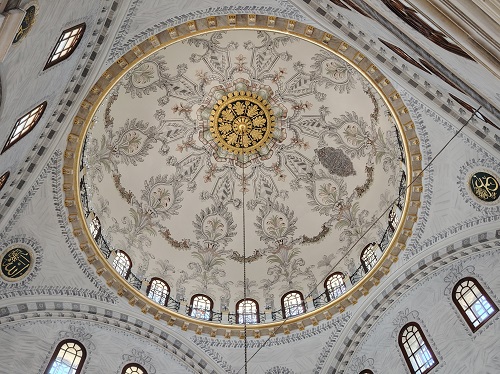
NUSRETIYE MOSQUE – LAST OTTOMAN BAROQUE GEM
Today, the legacy of this dramatic confrontation lives on. The Nusretiye Mosque, built soon after these events, stands as a lasting symbol of the end of Janissaries and the beginning of a new chapter in Ottoman history.
I know that not many foreign visitors to Istanbul make their way to this mosque. When I visited, apart from a handful of worshippers, I was the only tourist there. Understandably, most people focus on the city’s more famous Ottoman era monuments.
However, visiting the Nusretiye Mosque offers a pleasant experience. The walk there takes you through Tophane, one of Istanbul’s most vibrant neighbourhoods. Along the way, you will pass several other Ottoman era structures, including the magnificent Tophane Fountain.
Perhaps, mosques like this one appeal most to people with a deeper interest in Ottoman history, architecture and interior design. Nusretiye stands as a shining example of the late Ottoman Baroque style, waiting to be discovered by those who seek it out.

Back to Turkey